Working with an interior designer: a practical guide
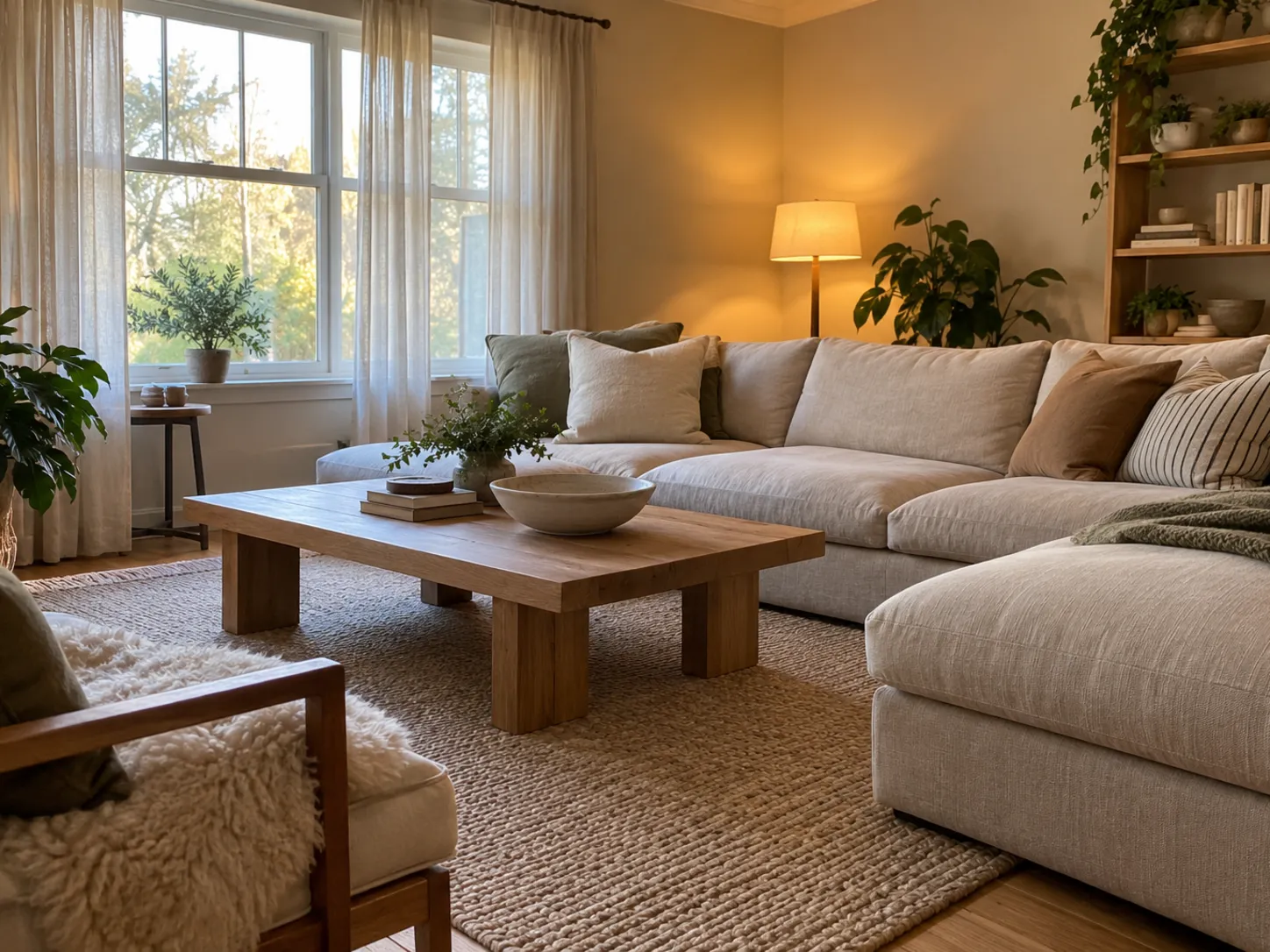
An interior designer does more than choose cushions. A good one fixes a room that doesn’t work: the sofa that blocks the door, the kitchen with nowhere to put anything, the lighting that makes evenings gloomy. They also know where money is well spent and where it’s wasted.
Decide what kind of help you need
Designers offer different levels of service. Some give a one-off consultation and a list of ideas. Others produce a full design, with drawings, a lighting plan and a shopping list for you to carry out. At the top end, they manage the project, order everything and oversee the trades.
Be honest about how much time you have. If you work long hours, the extra cost of full management may pay for itself in avoided mistakes. If you enjoy hunting for furniture, a design-only service may suit you better.
Understand how designers charge
Fees come in several forms:
- An hourly or daily rate, common for consultations and small jobs.
- A fixed fee for a room or a defined scope.
- A percentage of the project cost, more usual on larger projects.
- A margin on furniture and materials bought through the designer, sometimes instead of a fee.
None of these is better by default, but you should know which applies and what it includes. Ask how many rounds of changes you get, whether site visits cost extra and who pays for samples.
Prepare for the first meeting
Collect pictures of rooms you love and rooms you don’t. The dislikes are often more useful. Measure the space, photograph it in daylight and note what must stay: a piano, an inherited table, a radiator you can’t move.
Think about how you live. Who uses the room, when and for what? A family with young children and a dog needs different fabrics and storage from a couple who entertain. A good designer will ask; having the answers ready saves time.
Set a budget and say it out loud
Many people hold back their budget in case it all gets spent. In practice, a clear figure helps a designer prioritise. Agree the total, including furniture, materials, labour and the design fee, and ask for a running record of spending as the project goes.
Keep a contingency of around ten per cent for surprises. Older homes in particular tend to reveal uneven floors, hidden damp or wiring that needs work once the walls are opened.
Keep decisions moving
Projects slip when decisions stall. Agree a timetable for approving designs and for ordering items with long lead times, such as made-to-order sofas, kitchens and some flooring. Ask the designer to flag which orders hold up everything else.
Before you approve a final design, check you have:
- Measured drawings, so you can see how the furniture fits.
- A lighting plan, including where switches and sockets go.
- A schedule of finishes, with product names and quantities.
- Lead times for anything made to order.
Selling or letting instead?
If you’re preparing a property for sale or rent, ask about home staging rather than a full redesign. Staging presents a space for buyers or tenants, often with hired furniture, and aims for broad appeal rather than your own taste. A professional organiser can also help clear and arrange a home before the photographs are taken.
Browse interior designers in the directory, save those whose style you like to your shortlist and message up to six at once with your photographs and budget. The directory doesn’t vet designers, so ask to see past projects and references directly.