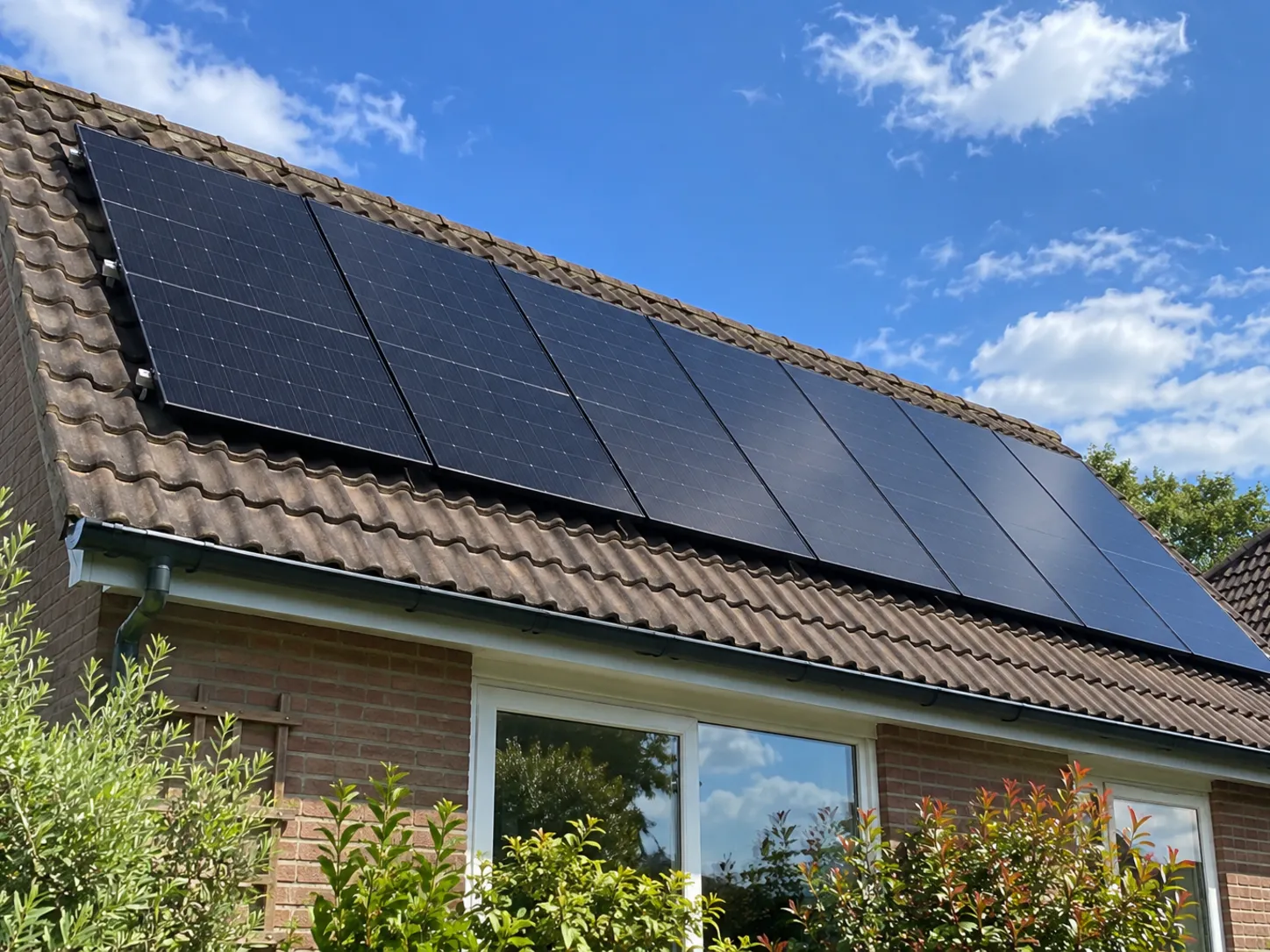
Solar panels: questions to ask before you install
Solar panels can cut energy bills for decades, but the savings depend on decisions made before the first bracket goes on the roof. The right system for your neighbour may be the wrong one for you. A careful installer will ask as many questions as you do.
Know your energy use first
Gather a year of energy bills if you can. How much electricity you use, and when in the day you use it, decides the size of system that pays back. A household that is out at work all day uses less of its own solar power than one with someone at home, unless a battery, a hot water diverter or an electric car soaks up the daytime surplus.
Think about the next ten years too. A heat pump, an electric car or a home office will change your demand. Sizing for that now can cost less than adding panels later.
Check the roof before the panels
Panels are expected to last 25 years or more. If the roof covering is near the end of its life, repair or replace it first, because taking panels off and refitting them later costs money. Ask the installer to look at the roof structure, not just its direction, and to confirm it can carry the extra load.
Direction and shade matter more than many people expect. A roof facing the midday sun is ideal, but east and west roofs still generate well. Shade from chimneys, trees or neighbouring buildings cuts output; ask whether the design uses optimisers or microinverters to limit the effect.
Questions to ask every installer
- What size of system do you recommend, and how did you work it out from my usage?
- What yearly output do you estimate, and what assumptions sit behind that figure?
- Which panels and inverter will you use, and what warranties cover each of them and the installation itself?
- Are you certified or accredited for solar installation where I live, and will you handle the grid connection?
- Are scaffolding, bird protection and waste removal included?
- What monitoring will I have, and who do I call if output drops?
The answers tell you as much about the installer as about the system. Vague estimates, pressure to sign the same day or a payback that sounds too good deserve a second look.
Decide whether a battery makes sense
A battery stores the daytime surplus for the evening. It raises the share of your solar power that you use yourself, but it adds cost and usually has a shorter life than the panels. Whether it pays depends on your tariff, your daytime use and what you’re paid for the electricity you export. Ask installers to show the savings with and without a battery so you can compare.
If you’re not sure, ask for a system that is ready for a battery later. A hybrid inverter, or space set aside for a future unit, keeps the option open.
Check permissions and paperwork
Many homes can add roof panels without planning permission, but the rules differ by country and region. Listed buildings, conservation areas, flat roofs and ground-mounted arrays often need approval. Your installer should know what applies locally. You’ll usually also need to tell, or apply to, the electricity network operator before the system is connected.
Keep every document: the design, certificates, warranties and the commissioning report. You’ll need them for any incentive or export payments, for your home insurance and when you sell.
Look after the system
Solar needs little maintenance, but not none. Check the monitoring now and then; a sudden drop usually means an inverter fault or a tripped isolator rather than dirty panels. Inverters often need replacing once during a system’s life, so ask what that might cost.
Compare solar energy companies in the directory, save the ones you like to your shortlist and message up to six at once with your bills and roof photographs. The directory doesn’t vet installers, so confirm accreditation and insurance directly.