Home inspection before you buy: what to ask and expect
A property can look perfect on a viewing and still hide a damp basement, a tired roof or wiring nobody has touched in decades. A good inspection won’t find everything, but it gives you facts to weigh while you still have room to negotiate, plan repairs or walk away.
The names differ from country to country. You might be offered a home inspection, a building survey, a condition report or a structural survey. The questions that matter are the same everywhere: who is doing the work, what they will look at and what they will leave out.
Choose the right level of inspection
A basic condition report suits a newer home in good order. An older building, one that has been extended or one you plan to renovate usually justifies a more detailed survey. If the property has a particular concern, such as movement cracks, a flat roof or a history of flooding, ask whether a specialist should look at it as well.
Before you book, ask each inspector:
- What the inspection covers, and what it excludes as standard.
- Which qualifications, memberships or licences they hold, and whether these are required where the property is.
- Whether they carry professional indemnity or errors and omissions insurance.
- How they report findings: photographs, priorities and plain-language explanations.
- How soon you will have the report, measured against your own deadlines.
Know what an inspection can’t see
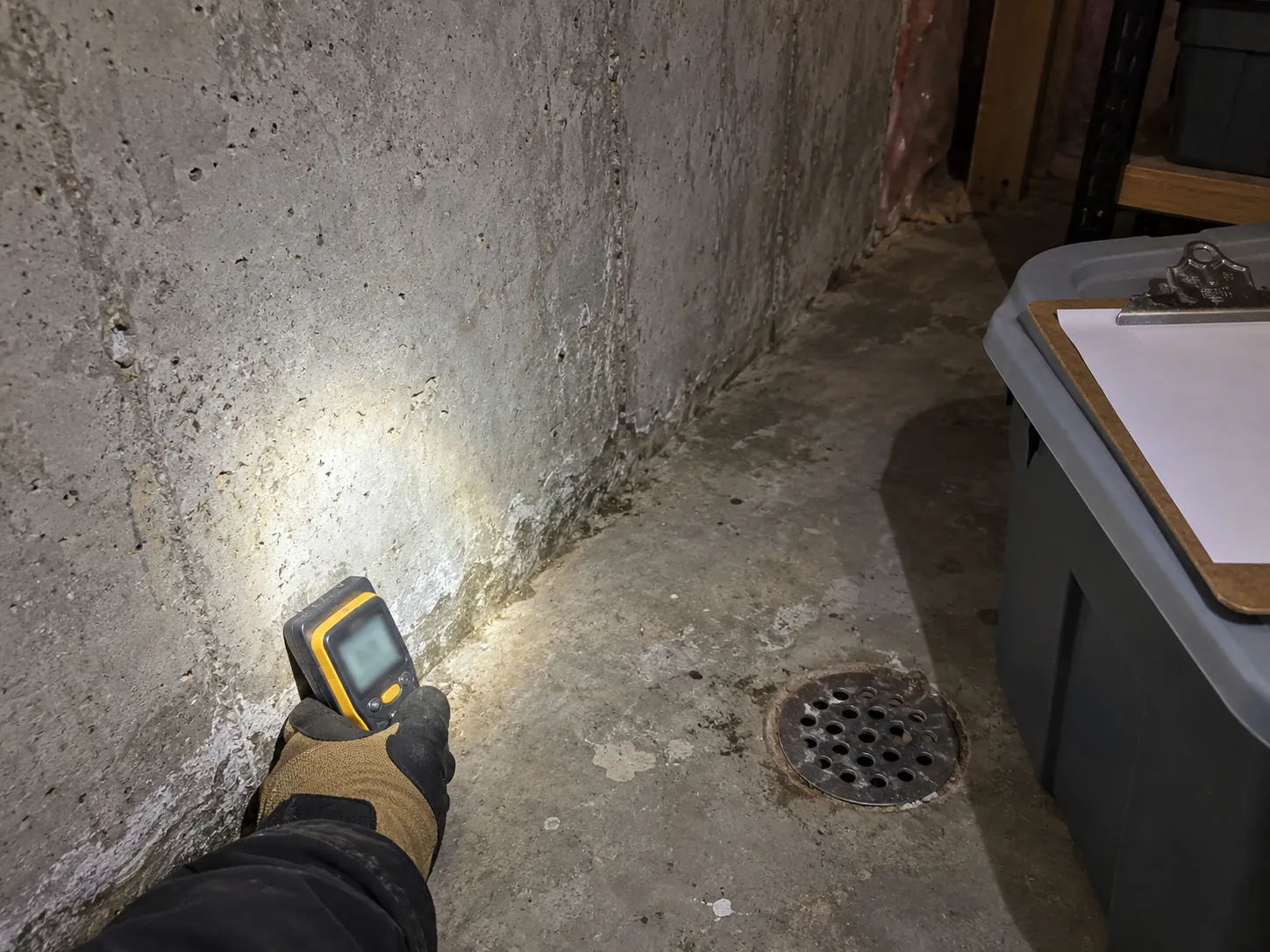
Inspectors assess what they can safely reach. Furniture, stored belongings, fitted floor coverings and finished walls hide a lot. A roof may be viewed from the ground, a loft only from the hatch, and drains not at all unless you book a separate survey. None of this is a failing, but it means the report’s limitations matter as much as its findings.
Read the limitations section carefully. If something important wasn’t inspected, ask what it would take to check it: a return visit once the seller has cleared a room, a drain camera survey, or a specialist such as an electrician, roofer or structural engineer.
In older buildings, ask whether materials such as asbestos or lead paint may be present and whether testing makes sense before any renovation. An inspector may flag a suspect material; confirming it usually needs a sampling and testing service.
Be there if you can
Joining the end of the inspection is one of the most useful hours you’ll spend while buying. You see the issues in place, ask how serious they are and hear which ones are routine. Photographs in a report rarely show scale as well as standing in front of the crack.
Bring your questions written down. Ask where rainwater goes, how old the heating system appears to be and whether any alterations look as if they were done without approval. The inspector may not be able to answer every question, but they can tell you who can.
Sort the report into decisions
A long report can feel alarming. Most of it is usually maintenance. Work through it and put each finding into one of four groups:
- Safety issues that need attention before anyone lives there.
- Defects that need further investigation before you can price them.
- Repairs you can plan and budget for.
- Routine maintenance that comes with any property.
For the first two groups, get quotes or a specialist opinion while you still have time. A rough repair cost turns a vague worry into a figure you can discuss. Your agent, solicitor or other legal adviser can tell you how the findings affect your contract and negotiations; the inspector’s job is to describe the property, not to tell you what to offer.
Keep the report after you move in
Once you own the property, the report becomes a maintenance plan. The items you didn’t fix before completion are still there. Put the planned repairs in a calendar, and share the relevant pages with the trades you hire so they know what has already been found.
Start with the home inspection listings, add the businesses you want to compare to your shortlist and message up to six at once about scope, timing and price. The directory doesn’t vet inspectors, so confirm qualifications and insurance directly.