How to choose a property management company
A good property manager saves you time and protects your income. A poor one costs you both, usually at the worst moment: an empty flat, a burst pipe at midnight or a deposit dispute you didn’t know about. The difference is rarely obvious from a brochure, so ask how they work.
Decide what you need them to do
Services range from finding tenants only to full management. Write down what you want to hand over before you speak to anyone:
- Marketing, viewings and tenant referencing.
- Tenancy agreements, deposits and the legal paperwork for each new let.
- Rent collection and arrears.
- Repairs, routine maintenance and emergencies.
- Inspections, inventories and check-outs.
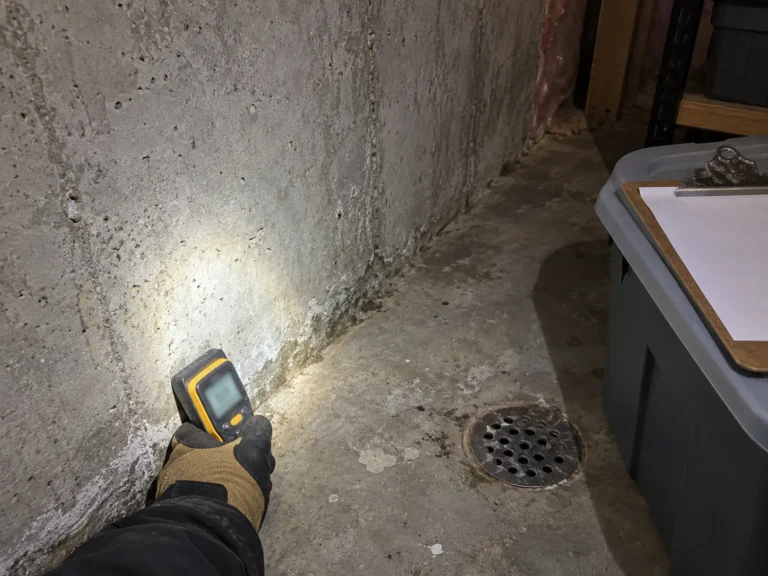
- Compliance: the safety certificates, licences and checks required where your property is.
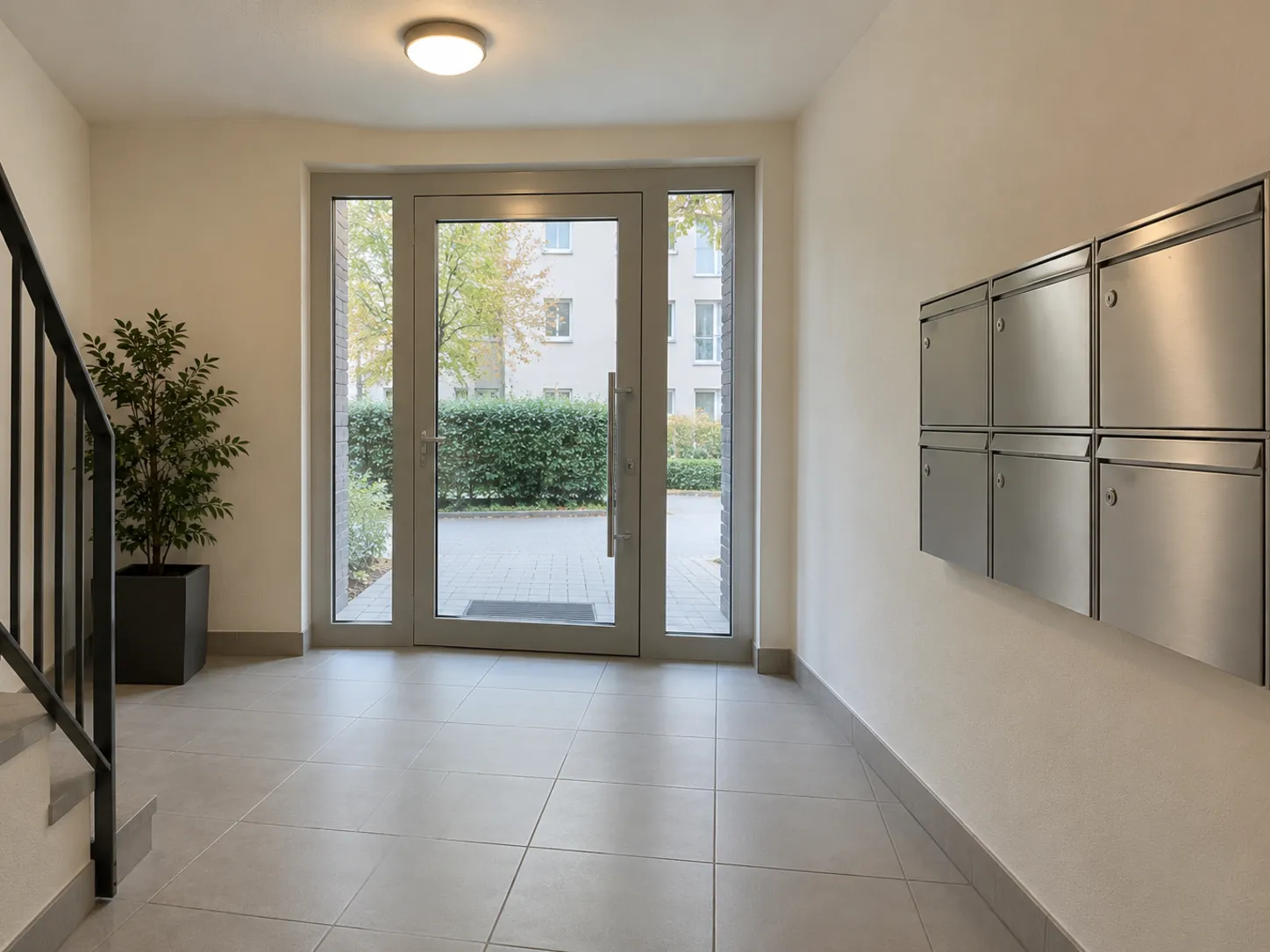
For apartment buildings and shared blocks, ask about communal areas, service charges, cleaning and managing contractors. Block management is a different skill from letting single homes.
Understand the fees
Most managers charge a percentage of the rent, sometimes with set-up, renewal, inspection or check-out fees on top. A low headline percentage can hide extras. Ask for a full list of charges and work out what a typical year would cost, including one change of tenant and a few repairs.
Ask too whether the manager adds a commission or arrangement fee to contractors’ invoices. That isn’t always wrong, but you should know.
Check how they handle money
Rent belongs to you and deposits to your tenants. Ask where the money is held, whether it’s kept apart from the company’s own accounts and whether the business belongs to a client money protection scheme, where one exists. Ask how deposits are protected and how quickly rent reaches you each month.
Professional memberships, redress schemes and licences vary by country and region. Ask which apply locally and check them yourself instead of relying on a logo on the website.
Ask about repairs and emergencies
Repairs are where a manager earns or loses your trust. Find out:
- Who takes calls out of hours, and how fast they respond.
- What they can approve without asking you, and up to what amount.
- Which contractors they use and how they check them.
- How they report work, with photographs and invoices.
A manager with reliable trades and a clear approval limit keeps small problems small. One who calls you about every dripping tap, or not at all before ordering a new boiler, will cause you trouble either way.
Read the contract before you sign
Check the notice period, any fee for ending the agreement early and what happens to tenants the manager found if you leave. Some contracts keep charging for as long as that tenant stays. Make sure you can get every document back: tenancy agreements, certificates, inventories and correspondence.
Ask for references from current landlords with similar properties and, if you can, speak to one. A landlord who has been with them through a difficult tenancy will tell you more than any review.
Keep an eye on the first year
Agree how often you’ll hear from the manager and what reports you’ll receive. Look closely at the first inspection report. Detailed notes and photographs show a manager who is paying attention.
Browse property management companies in the directory, save the ones that cover your area to your shortlist and message up to six at once about your property and the services you need. The directory doesn’t vet managers, so check memberships, licences and client money protection directly.